
by Flying Angels Editorial Team | Sep 29, 2021 | News & Resources
An RN flight coordinator oversees all the planning and booking involved in assisted flight travel. They handle travel arrangements, special accommodations and all other issues involved with preparing to fly with a flight nurse.
RN flight coordinators are licensed nurses with advanced critical care knowledge and years of experience working in the assisted flight travel field. They are familiar with all the details of flying on commercial airlines with medical assistance, from how to get medical equipment through security to the best practices for having a safe and comfortable flight.
For most people who use Non-Emergency Medical Transport (NEMT), an RN flight coordinator is the first person they have contact with when inquiring about assisted flight travel.
Speak With an RN Flight Coordinator Now
What Does a Flight Coordinator Do?
NEMT involves providing medical care during travel and assistance with all trip arrangements. Flight nurses travel with clients on commercial flights, helping them through the airport and providing medical assistance as needed during the flight.
Flight coordinators manage all the arrangements for the trip and monitor it to ensure that everything goes smoothly. Like flight nurses, they have emergency and critical care experience. They also have special training in flight physiology.
What is Aviation Physiology?
When you contact an NEMT company, an RN flight coordinator will talk you through what they do to make your planned trip both convenient and safe. They oversee all the arrangements involved with assisted flight travel. This includes:
- Arranging all reservations
- Handling all travel-related paperwork
- Arranging for special accommodations if needed
- Anticipating any challenges for the trip and managing them efficiently
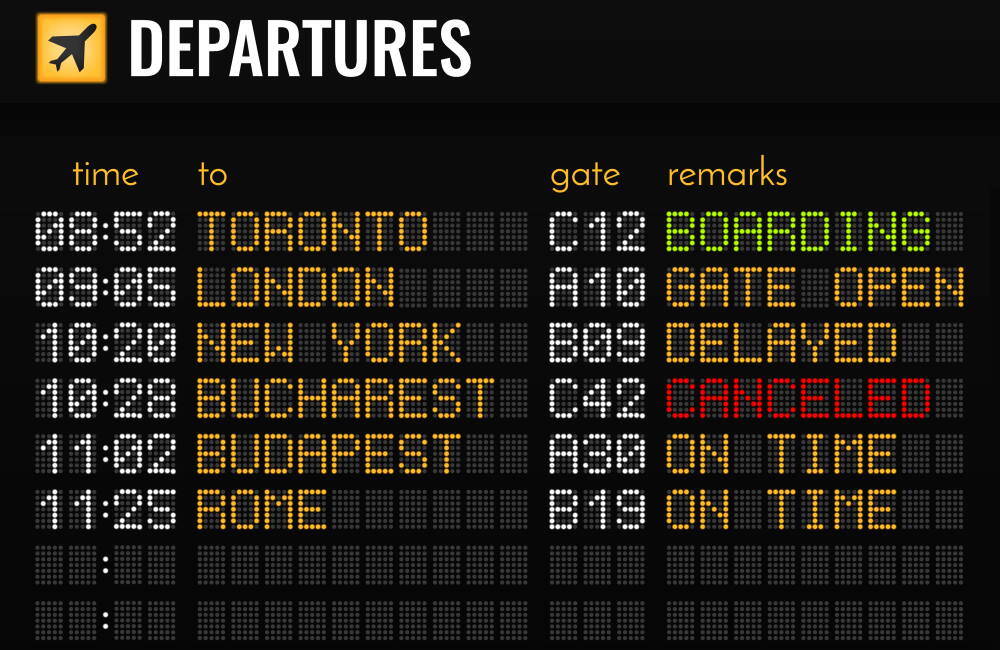
- Quickly addressing any travel delays, flight changes and cancellations
RN flight coordinators work directly with flight nurses who travel with clients on commercial flights. They quickly provide any support that the flight nurse might need and handle any issues that might come during the trip, such as flight delays or cancellations.
What is a TSA Notification Card?
Flight Coordinators and Nurses Working Together
Once the travel day arrives, flight nurses will have reviewed the travel plans with the RN flight coordinator. They also will review procedures for every airport involved with the trip and contact airport officials as needed to make special arrangements.
Working with flight coordinators, flight nurses ensure they meet all pre-planned points on the trip, such as checking in, navigating security and reaching the gate on schedule. Flight coordinators also line up any ground transportation clients need.
Flight nurses pack a medical kit, bringing all the medical equipment they may need as well as reviewing with the client what medications they need during the trip.
Flying with Oxygen & Medications
Who Needs an RN Flight Coordinator?
A wide variety of people use NEMT medical services, working with RN flight coordinators and flight nurses to make sure they arrive safely at their destination. They include people with medical conditions who are traveling to meet family or go on vacation.
In other cases, older travelers might be relocating for retirement or to move closer to family. Flight coordinators and nurses also work with people of all ages who have chronic medical conditions that require special accommodations during a flight, or those who have a debilitating injury. An RN flight coordinator works to make a client’s trip go as smoothly as possible. Along with a flight nurse, they take the stress and worry out of travel for those who need assistance for their upcoming trip.
Medical Transportation Options Explained
by Flying Angels Editorial Team | Mar 31, 2021 | News & Resources
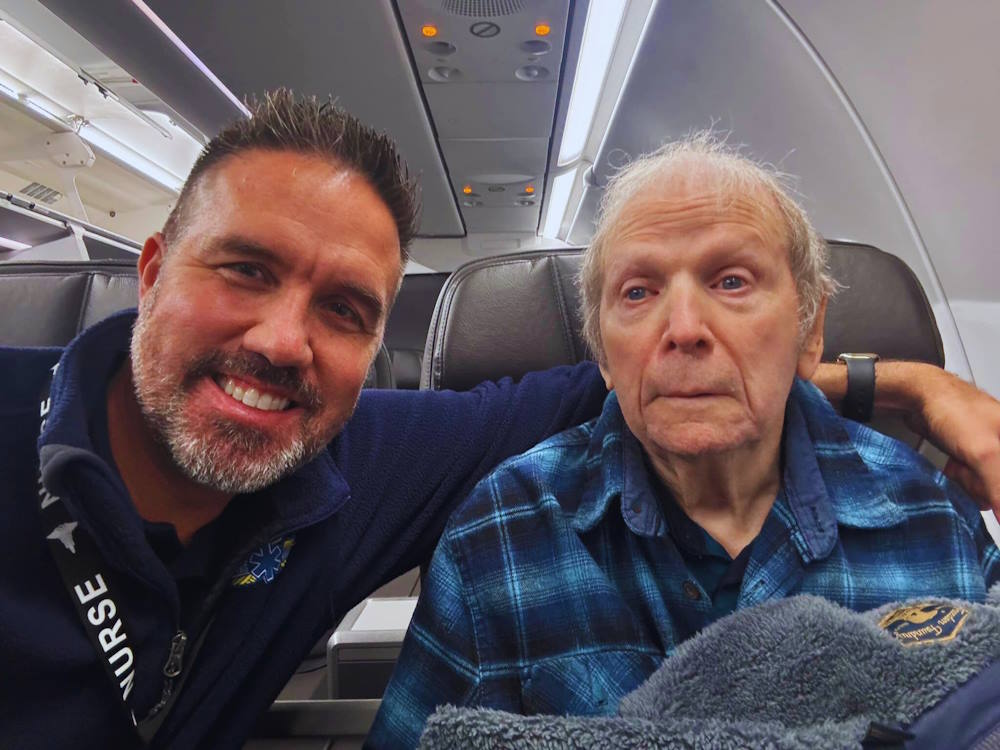
You can hire a nurse to fly with you for any reason. Typically hired through Non-Emergency Medical Transport (NEMT) companies, flight nurses travel with you on commercial flights, providing support getting to and from your flight and healthcare services during the flight.
You may choose to hire a nurse to fly with you for many different reasons, including having chronic health issues or injuries that prevent you from safely flying on your own. Nurses provide medical help for flying and have specialized training and certification to perform this specific job within the nursing field.
Day in the Life of a Flight Nurse
What Flight Nurses Do
Flight nurses have a specific set of skills to meet your medical needs before, during, and after a flight. Working with a NEMT company, flight nurses have training and experience in emergency situations and in delivering medical care at high altitudes.
What is Aviation Physiology?
Before the Flight
An RN Flight Coordinator works with you throughout your trip, starting with the arrangement of plans. The Flight Coordinator reviews your medical condition beforehand so they understand everything you may need. They also coordinate with your doctor or primary care provider to make sure any underlying conditions are addressed. Coordination includes reviewing procedures for particular airports and airlines. Nurses also contact airport and airline personnel ahead of time to determine any special steps needed to make your trip easier.
How Does a Flight Coordinator Help?
Flight nurses also pack the medical kit for your trip. They ensure they have all the medications you need, as well as any medical equipment. They work with transportation officials on getting your equipment through security and safely stored during the flight. They also ensure you stay on schedule and that ground transportation issues are set up and in order.
During the Flight
With specialized training in flight physiology, nurses understand how to administer medical care at high altitudes. They also understand and can recognize any signs of psychological distress. Their familiarity with your medical condition prepares them to see any signs of physical distress or other problems. They also know when to administer medication and check on your condition during the flight.
Flying with Oxygen & Medications
After Landing, flight nurses make sure you disembark safely from your plane, navigate the airport and reach your ground transportation. In some cases, flight nurses travel with you to your final destination, although most return on another flight to their point of origin.
Who Needs to Hire a Nurse to Fly?
People in many different situations want to hire a nurse to fly. The specialized skills and high level of training attained by flight nurses gives people the medical services and sense of comfort they need. Those who hire flight nurses include:
- Seniors with medical conditions that prevent them from moving well on their own
- People of all ages with debilitating conditions
- People who are injured on trips, including to foreign destinations, who want medical care for their trip home (and help setting up a flight back)
- Retirees who are relocating to a new city
- People who must travel for business or personal reasons with an injury (such as a broken leg or arm)
How to Fly With Memory Loss or Dementia
How Do You Hire a Flight Nurse?
Hiring a flight nurse to join you on a commercial flight is convenient through a medical transportation company like Flying Angels. You can hire a nurse to fly with you to destinations within your state, in another state or in another country. Flight Nurse companies have experience in speaking with medical doctors in the United States and abroad. They also have contacts in the healthcare and transportation fields. If you want the safety and security an experienced nurse can bring to your trip, you can hire a nurse to fly with you. It’s a smart choice for those who want to ensure they arrive at their destination on schedule and in good health.
Let's Discuss Your Medical Transportation Options

by Flying Angels Editorial Team | Dec 18, 2020 | News & Resources
It’s a question many travelers must face: “Am I too sick to get on this flight?” Every flight for a sick patient has differences in the details, but two issues are important: understanding the signs of severe illness and knowing the situations where you can use non-emergency medical transport (NEMT) as a less expensive alternative to an air ambulance.
There are many different scenarios involving flights for sick patients, but many of them are among the situations that require NEMT.
Here’s an overview that provides a quick way to analyze your situation and decide if you can fly on a plane if you are sick, and whether you may need NEMT.
Situations That Require NEMT
Flying When You Are Sick
When it comes to the subject of flights for sick patients, everyone knows there are different levels of sickness, from a minor cold to something more severe. But certain symptoms are red flags that may indicate you are too sick to travel. Those signs include:
- Fever. A fever over 100 degrees indicates you are contagious with whatever illness you have.
- Chest pain. This can be a sign of many things, not all of them associated with your heart, but if the pain does not fade it’s a good idea to see a doctor before getting on a plane.
- Nausea. In addition to being a sign of more severe illness, nausea is not something you want to experience while traveling 500 miles per hour at 30,000 feet.
- Trouble breathing. Like chest pain, this may or may not be something serious, but only checking with a doctor can make you certain.
- Medical condition. This does not fall under the usual “too sick to fly” scenarios, but a condition that makes it difficult to move around on your own or that requires a clinician to monitor your health typically means you should check into using NEMT.
Are You Too Sick to Travel?
Scenarios Where You Want NEMT
Having a chronic or medical condition, as mentioned above, is a good reason to check into using NEMT. With NEMT, an experienced flight nurse flies with you on a commercial flight (with the NEMT company handling all the flight booking and air travel arrangements).
But other situations may also require NEMT. They include the following.
Moving parents. Older people with health conditions feel safer flying with experienced medical personnel.
Children. Much like seniors, having medical personnel fly with children who have a medical condition ensures they are safe during the trip.
Health treatment. Some people must fly to see a specialist or receive special treatment
Injuries on vacation. Getting home if you’re injured on vacation can be a nightmare, but a NEMT company can get the job done easily.
Retirement Relocation Tips
An Alternative to an Air Ambulance
NEMT service also provides a less expensive medical transport option to those whose other option is an expensive air ambulance. Air ambulance costs have escalated rapidly in recent years, making a safe and less expensive alternative much more attractive. Choosing NEMT is even a good choice for flights for sick patients if they must fly on a stretcher or require a wheelchair, both situations a flight nurse can handle. Whatever your reasons for needing flights for sick patients, NEMT services can provide the support you need to plan your trip and arrive at your destination safely.
Medical Transportation Options Explained

by Flying Angels Editorial Team | Dec 7, 2020 | News & Resources
Transport nurses provide care to patients during flights. In some cases, they work as emergency nurses, administering treatment to patients en route to the hospital. They also play a key role in non-emergency medical transport, providing care for patients during commercial flight travel.
Transport nurses are sometimes referred to as a flight nurse, and they play a key role in long distance medical transport. Transport nurses work internationally as well as nationally, providing care for patients who want to travel but cannot do so alone due to injury or chronic illness.
Whether they work as a domestic or international transport nurse, a flight nurse is an experienced professional who can make travel safe for those who need assistance.
What is an International Transport Nurse?
The Duties of a Transport Nurse
In an emergency situation, a transport nurse works as part of a team that may include medics, physicians and other clinical personnel. Flight nurses work on helicopters and rescue flights, working as part of a team providing medical treatment to injured or ill patients.
In an emergency scenario, the goal is to keep a patient stable until they arrive at the hospital.
When working for a non-emergency medical transport (NEMT) company, a transport nurse has experience working in emergency situations. That experience helps them better prepare to help patients as they travel long distances by air.
A NEMT flight nurse manages any medications needed by the patient. They also have experience in emergency work and extensive knowledge in providing care for patients at high elevations.
The services of a transport nurse are a factor in determining long distance medical transport cost.
Long Distance Medical Transport Cost
How To Become a Transport Nurse
Different NEMT companies have different standards for transport nurses. Flying Angels sets the standard for flight nurses high. They include at least five years of experience in trauma/emergency room work, which sharpens a nurse’s critical thinking skills and gives them experience in dealing with a high volume of patients, trauma cases, making good clinical assessments and improving triage and physical skills.
Before becoming a transport nurse, a nurse will first become an RN. Most NEMT companies require nurses to hold a Bachelor of Science in Nursing (BSN) and a nursing license issued through their state.
Certifications can also help transport nurses work for the best companies in the industry. Two of the most prominent certifications are Certified Flight Registered Nurse (CFRN) from the Board of Certification for Emergency Nursing (BCEN) and Critical Care Registered Nurse (CCRN) through the American Association of Critical Care Nurses. A transport nurse is critical to the operation of both emergency transportation and NEMT. Working both nationally and internationally, they take the lead on offering patients the care they need to safely arrive at their destination.
What are Concierge Nursing Services?
by Flying Angels Editorial Team | Aug 28, 2020 | News & Resources
What happens if you get sick or injured abroad? We discuss international medical travel and how an international transport nurse can help!